




The importance of dashboards in business management
What exactly is a dashboard and what is it used for? What do we mean when we talk about this business panel? In this article, we provide the key insights to understand what a dashboard is in the business context and how it can be applied to any company in order to achieve specific objectives.
A panel that can do everything, a tool that allows you to see the inner workings of a business as a whole, a global view that is especially useful to understand where the company stands and to decide where it can and should go. All of this and more lies behind the concept of a dashboard, a term commonly used by professionals in business management and administration, which we explore in this article.
What is a dashboard? Definition and key components
A dashboard is a tool used to manage companies, specifically to control the different aspects that are part of their operation. This information is monitored and analyzed in order to set and achieve objectives. It can be applied both to the overall business and to specific departments or very specific projects.
The key components for a dashboard to fulfill its function are the following:
- KPIs: Key performance indicators are the foundation.
- Measurement objective: to choose the right indicators, you first need to know what you want to monitor and analyze.
- Team involved: different departments that may be linked and the professionals who will have access to it.
- Visual representation: as a chart or board, a visual format always makes it easier to understand the collected information. It includes graphs and elements that help interpret the data.
An important point is the format in which these dashboards are generated. It is recommended that they can be accessed from any type of device, so that in unexpected situations where there is time to analyze or add more data, it is easy to access the dashboard and continue progressing toward the set goals.
What is a dashboard used for and how does it facilitate data management?
Having a dashboard in a company is extremely useful for its management and for achieving expected results:
- It improves business analysis by providing a kind of overview of the company’s health.
- It provides real-time results, as soon as data and variables are entered, updating this key management panel.
- It improves team productivity by enabling quick and easy access to key reports, provided the KPIs have been properly selected.
- It enables safer decision-making, increasing the likelihood of making the right strategic moves.
These points highlight the importance of the dashboard, which facilitates data management. With an efficient and easily accessible tool, it becomes quick and convenient to access the system both to input information and to generate reports that support strategic decision-making.
Companies find in these dashboards a way to greatly simplify the excessive amount of documentation generated in any economic activity. It is a way of consolidating relevant data by area and quickly accessing information to evaluate performance and plan future actions.
This tool is useful when properly designed. So, what aspects should be taken care of to make a dashboard effective? Essential points include:
- A customized design based on the business activity, department, campaign, or what is being analyzed. The selection of indicators is the cornerstone of the entire structure.
- Visual clarity: making the information as easy to understand as possible to improve agility and decision-making.
- Practical focus: KPIs should reflect real daily operations to ensure meaningful insights.
- Continuous data collection in real time, updating relevant information constantly to avoid missing valuable insights.
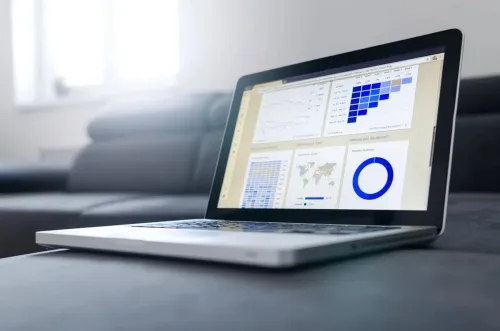
Importance of dashboards: how they contribute to effective decision-making
When determining the importance of dashboards in companies, several key points stand out:
- Ease of understanding and democratic access for all team members who need it.
- Ability to measure multiple performance indicators at once, enriching the company’s overview and improving overall business management.
- Efficient reporting: easy data collection and communication make reports highly useful for the departments that need them.
The use of dashboards is especially common in larger companies. To promote tools like this, it is important to have high-level training programs such as those offered by EAE Business School Barcelona. Two relevant programs focused on business management and administration tools are the Global MBA and the Executive MBA, both with a highly practical approach to prepare students for the job market.
Dashboard usage: practical applications
Dashboards are already being used in organizations of all types, as mentioned above. Here are some practical examples of dashboard tools currently in use:
- Looker Studio
A Google tool that allows maximum customization. It can connect to multiple data sources, generate collaborative reports, and offers simple, clear dashboards that improve understanding across multidisciplinary teams.
- One Tandem
Another interesting tool that generates clear charts and dashboards focused on previously selected KPIs. It is ideal for sharing with all types of users, from beginners to senior professionals.
- Databox
A third tool designed for marketing professionals and analysts. It allows full customization of dashboards in both data collection and presentation, and integrates with other services and applications, making it a powerful solution for business management.
