



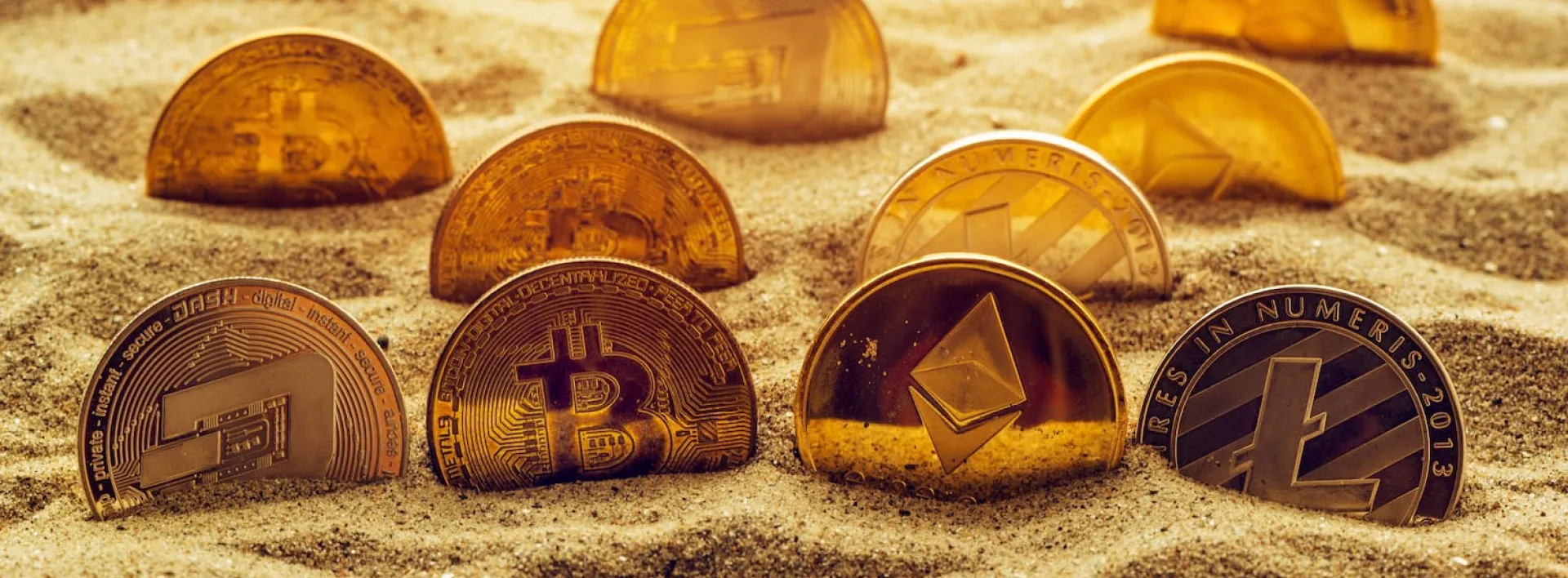
What are crypto assets and how do they work?
Crypto assets have gradually become part of the Spanish financial ecosystem as a result of the digitalization of instruments of value. Their development is supported by distributed ledger technologies and a European regulatory framework that provides greater legal certainty for investors and companies. The Bank of Spain defines crypto assets as digital representations of value or rights that can be stored and transferred electronically, without being considered legal tender.
This concept encompasses a broad and diverse range of assets. Not all crypto assets perform the same function or involve the same level of risk, so understanding their different types and how they work is essential for analyzing their role in today’s economic system.
Types of crypto assets: cryptocurrencies, tokens and stablecoins
The classification of crypto assets makes it possible to distinguish between their economic purposes and their legal status in Spain and the European Union. The European MiCA Regulation establishes specific categories that create important differences in terms of use, supervision and investor protection.
Cryptocurrencies
Cryptocurrencies are decentralized digital assets that operate as private means of exchange. They are not backed by central banks or physical assets and operate on public blockchain networks. Bitcoin is the best known example and is mainly used as a digital store of value because of its limited supply and predefined issuance protocol.
From a financial perspective, analyzing these assets requires a solid understanding of markets, volatility and risk management, skills commonly developed in areas such as the Master in Financial Management.
Stablecoins
Stablecoins are designed to reduce the volatility associated with traditional cryptocurrencies. They maintain a stable reference to a fiat currency or a basket of assets. European regulations distinguish between e-money tokens, which are linked to a single official currency, and asset-referenced tokens, whose value depends on several underlying assets.
This development forms part of broader advances in financial technology, which are transforming payment systems and settlement processes in the digital environment.
Tokens
Tokens represent digital rights that can serve very different purposes. Utility tokens provide access to specific technology services, while security tokens represent traditional financial instruments, such as shares or debt, and are subject to securities market regulations.
This category also includes NFTs, which are used to certify digital ownership, traceability or identity, with applications already being explored in industrial and corporate sectors.

Advantages and risks of crypto assets
The advantages of crypto assets include operational efficiency, fewer intermediaries and greater transaction transparency. These characteristics help explain their gradual adoption by companies and financial institutions.
The risks, however, remain significant. Volatility, technical complexity, the irreversibility of transactions and the possibility of fraud require considerable caution. These warnings are reflected in official communications from European regulators and within the framework for implementing the MiCA Regulation and crypto asset supervision.
How to invest in crypto assets safely
Investing in crypto assets requires an informed and cautious approach. It is essential to understand the nature of the asset, its regulatory framework and the associated risks before making any decision. Diversification, the use of registered platforms and the protection of access credentials are among the basic security practices.
A solid foundation in financial analysis makes it easier to assess these assets as part of an overall investment strategy, an approach commonly covered in the Master in Finance.
Tools and platforms for managing crypto assets
Crypto asset management relies on digital wallets and exchange platforms that enable assets to be stored and traded. In Spain, these providers must comply with anti money laundering regulations and operate in accordance with the requirements established by supervisory authorities.
The gradual integration of these tools with traditional banking services has helped improve the security and traceability of transactions.
Successful cases and lessons from crypto asset investments
The practical application of crypto assets in Spain shows that their value is not limited to speculative investment. Sectors such as energy, logistics and the food industry use blockchain and tokens to certify processes, improve traceability and automate complex operations.
In this context, professionals such as a trader specializing in digital markets analyze these markets from an increasingly regulated perspective that is more closely aligned with traditional finance.
Crypto assets have become a structural component of the digital financial system. In 2025, their development in Spain is supported by a clearer regulatory framework and an adoption model that prioritizes economic utility over speculation. Understanding what crypto assets are, the different types that exist and how they work makes it possible to approach this phenomenon from a realistic and informed perspective that is consistent with current market requirements.
Related Programs

Master in Finance
Finance & EconomicsThe Master in Finance at EAE Barcelona offers a global vision of the entire financial cycle from a managerial perspective...
- Full Time
