



Trader: The Profession of the Future and Its Opportunities
One of the professions attracting the most interest due to its growth potential and flexibility is that of a trader. Although the image may be associated with fictional characters from Wall Street, the reality is much more complex and accessible, and the opportunities are very promising.
What is a Trader?
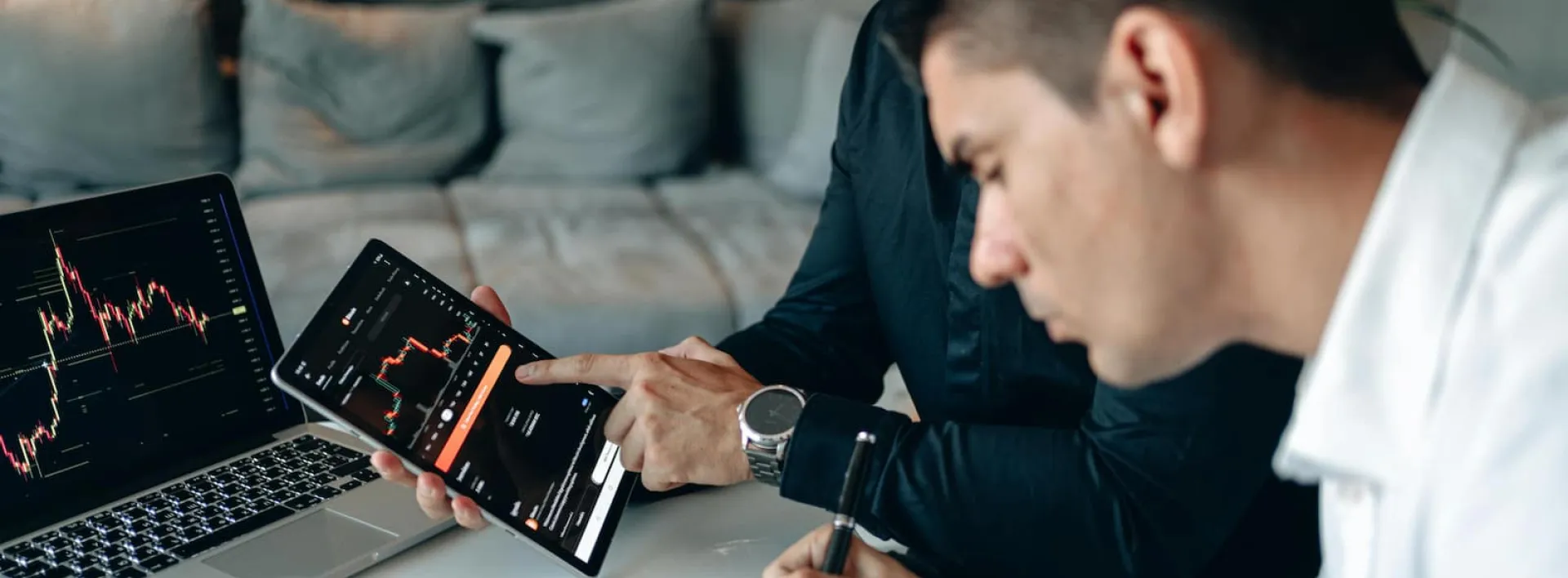
A trader is, literally, ‘someone who exchanges’ financial assets on stock markets with the goal of generating profits. Trading involves buying and selling financial instruments such as stocks, bonds, currencies, and cryptocurrencies, taking advantage of price fluctuations. Unlike traditional investors, this professional focuses on short- or medium-term strategies, maximizing gains over a brief period.
Trading has gained popularity due to the access that the internet has provided to brokerage platforms (online brokers), where anyone can open an account and start trading. These brokers, which offer accessible interfaces and are licensed by financial institutions, act as intermediaries between traders and the markets. Moreover, thanks to technological advances, it is now possible to trade from anywhere in the world, creating income opportunities for both beginners and experts.
How to Become a Trader: Step-by-Step Guide
- Education in Financial Markets: Although a specific university degree is not required, a solid foundation in economics, finance, or mathematics helps in understanding the market. Of course, the best option is to pursue a Master’s in Finance or a Master’s in Financial Management. Alternatively, there are online courses, webinars, and books on technical and fundamental analysis that are useful for beginners.
- Choose a Reliable Broker: To trade in financial markets, it is necessary to register on a trading platform. It is essential to research and select a secure broker that is regulated and offers conditions suitable for the type of trading you want to perform.
- Practice with a Demo Account: Many platforms offer demo accounts that allow users to practice without risking real money. This is an excellent way to apply the knowledge gained and understand how the markets work before investing.
- Define a Trading Strategy: There are various trading strategies, from scalping (quick buy and sell operations) to long-term trading. Each trader must define their strategy based on financial goals, time, and risk tolerance.
- Continuous Improvement: Trading is a dynamic field that requires constant learning. Staying informed about market changes, financial news, and new tools is essential for long-term success.
What Are the Responsibilities of a Trader?
The responsibilities of a trader vary depending on whether they work for a financial institution (institutional trader) or independently (independent trader). However, common tasks include:
- Market Analysis: Traders study market movements and use charts, indicators, and historical patterns to identify buying or selling opportunities. This analysis can be technical (focused on price and trading volume) or fundamental (focused on economic factors affecting the markets).
- Executing Trades: A trader executes buy and sell orders through trading platforms. This requires precision, speed, and emotional control, as decisions must be made in real time.
- Portfolio Management: Portfolio management includes selecting assets, allocating funds, and adjusting positions according to the market. This is especially important for long-term traders managing larger investments.
- Risk Management: The ability to calculate risk is essential in trading. Traders set loss limits and apply hedging techniques to protect their capital and reduce exposure to potential losses.

What to Study to Become a Trader
To become a trader, it is recommended to follow academic paths like those mentioned earlier, related to financial markets, economics, investor psychology, and data analysis. One must learn about different market types, such as stocks, currencies, and commodities, as each has unique characteristics and is influenced by specific factors.
Trading psychology is also a very important aspect of this profession, since the ability to control emotions and make rational decisions under pressure is vital: many novice traders lose money due to impulsive decisions driven by fear or greed. Therefore, specific training in this area can be highly beneficial.
Finally, in the current context, technology and the use of algorithms are also key components of training, as many traders use software to automate operations. Having programming knowledge can be an advantage in designing personalized trading systems.
Types of Traders
There are several types of traders, differentiated by style and strategy:
- Day Trader: Executes trades within the same day and closes all positions at the end of the session. They take advantage of short-term price fluctuations and usually make numerous transactions daily.
- Scalper: Similar to day trading, scalping involves opening and closing many trades in seconds or minutes, earning small gains from each transaction. It is a fast-paced strategy that requires highly liquid markets.
- Swing Trader: Swing traders keep positions open for several days or weeks. They aim to capture intermediate price movements, leveraging market trends without the need for daily trading.
- Long-Term Trader: Unlike other types, long-term traders hold positions for months or even years. They seek long-term returns and are less affected by daily volatility.
- Algorithmic Trader: Uses algorithms and software to execute trades automatically according to programmed rules. This approach enables high-frequency trading and is popular in financial institutions.
Being a trader offers unique opportunities in the financial world, such as working from anywhere with flexible hours, and, with sufficient experience, it can be very lucrative. However, it also involves high risks and requires a solid understanding of the market, discipline, and continuous learning.
Related Programs

Master in Finance
Finance & EconomicsThe Master in Finance at EAE Barcelona offers a global vision of the entire financial cycle from a managerial perspective...
- Full Time
