




Voluntourism: combine your travels with volunteer tourism
Trips designed to discover new destinations through activities that support and strengthen local communities or the environment. Voluntourism is a new way of travelling, a model that is here to stay. Below, we explain the key characteristics that define it.
Taking part in projects in Kenya that promote women's empowerment in highly vulnerable environments, travelling to Costa Rica to participate in wildlife conservation activities, or joining scientific expeditions to Antarctica… These are just some examples of the different ways in which a tourism model that emerged more than a decade ago has developed and established itself: volunteer tourism, popularly known as voluntourism.
What exactly is voluntourism? What does it involve? What are the benefits of this way of travelling? In this article, we explore the main aspects that define volunteer tourism.
What is voluntourism?
In recent years, numerous non-governmental organizations, associations and international humanitarian aid organizations have sought to connect with the public by offering them the opportunity to experience first-hand the work they carry out to support local communities. These trips, which people usually undertake during holiday periods, have become known as volunteer tourism, or voluntourism for short.
What are the main characteristics of this way of discovering the world?
- Travellers usually pay a specific amount to stay at the destination and participate in the selected project.
- Part of this amount is generally used to provide resources to the NGO or organization promoting the trip.
- There are many different types of projects available in a wide range of countries and regions, as mentioned at the beginning of this article.
- Travellers usually cover the full cost of the trip, including flights and accommodation, as well as an additional amount which, as explained above, effectively acts as a donation to the organization behind the initiative.
- People who volunteer at their destination find a different way to connect with the places they visit and establish a particularly direct and genuine relationship with local communities.
The growth of voluntourism has led to the creation of agencies specializing in this type of travel. Organizations themselves promote specific expeditions at different times of the year, which has made volunteer tourism an alternative source of income for humanitarian aid organizations and institutions committed to protecting natural habitats and the environment.
Characteristics of volunteer tourism
Voluntourism has several defining characteristics. The World Tourism Organization (UNWTO) — now UN Tourism — has previously indicated that solidarity tourism is growing by around 20% among Europeans and highlights characteristics such as the following:
- Projects that respect the sociocultural authenticity of destination communities.
- Initiatives that generate benefits for everyone involved, both for those travelling to participate in specific activities and for the communities receiving these well-intentioned visitors.
- Collaboration on initiatives aimed at making optimal and efficient use of natural resources.
- Campaigns that contribute to reducing inequalities between developed and developing regions, helping to reduce poverty and support community development.
According to the International Labour Organization, the destinations receiving the largest numbers of voluntourists are in Latin America, Africa and Asia. More specifically, these are some of the most popular countries for volunteer tourism:
- Latin America: Cuba, Peru, Guatemala, Brazil.
- Africa: Morocco, Gambia, Senegal.
- Asia: Nepal, Vietnam, India, Sri Lanka.
These trips usually last between one week and one month, although they can extend for up to a year depending on the participant's availability and the options offered by the organizing body. Travellers generally spend around half a day or a full day learning about or contributing to the work carried out by NGOs and organizations on the ground, while using the rest of their time to explore the destination.
Given the growth of this subsegment within the tourism industry, there is increasing demand for professionals with the right profiles to manage initiatives of this kind. One example at EAE Barcelona is the Master in Sustainable Planning and Management of Tourism, which aims both to respond to the human resources needs of volunteer tourism and to help the tourism industry as a whole optimize natural resources and contribute to the preservation of habitats, natural environments and local communities.
Examples of volunteer tourism
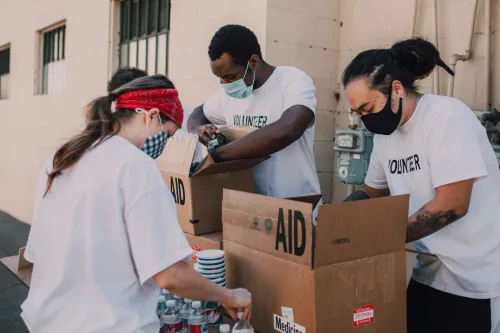
From theory to practice. Some readers may be wondering what types of volunteer tourism opportunities are currently available. Although several examples were mentioned at the beginning of this article, below are some additional examples of voluntourism initiatives that exist today:
- Participating in childcare centers created so that women with dependent children can leave them in a safe environment while they work, helping them achieve greater economic independence and empowerment.
- Awareness campaigns highlighting the importance of protecting natural environments and ecosystems, sharing the work carried out by environmental organizations through social media and other communication channels.
- Building and/or improving housing for families living in particularly vulnerable communities.
- Collaborating in hospitals and healthcare centers, either alongside healthcare professionals working locally or with other volunteers promoting health and wellbeing among specific communities.
- Implementing sustainable agriculture initiatives that give families and entire communities greater independence from markets and price fluctuations.
These are only a few examples, as countless initiatives currently form part of what is known as solidarity tourism. There are differing views regarding the real impact these activities have on the destinations where they take place. What is clear is that people who choose to travel in order to contribute can help raise awareness of realities that might otherwise remain unknown to a large part of the world's population.
