

What is reverse logistics and what is it used for?
When we think about logistics, we usually imagine the process of moving a product from the manufacturer to the final customer. However, what happens when that path is reversed? That is what reverse logistics deals with, a key concept in the modern supply chain. It is defined as the set of processes and activities aimed at managing the return of products, materials, or packaging from the point of consumption back to the manufacturer or distributor, with the goal of recovering value or ensuring proper disposal.
Types of reverse logistics
Reverse logistics can be classified according to the reason that triggers the return of the product. Understanding these categories helps companies manage flows more efficiently.
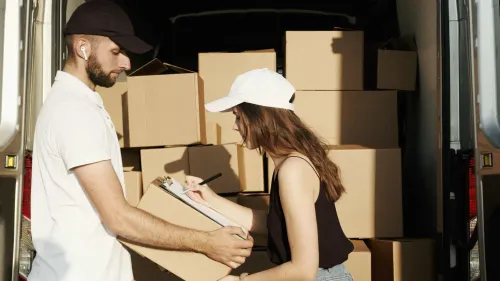
- Returns logistics: this is the most familiar type for consumers. It covers the return of products by customers, whether due to defects, failure to meet expectations, or simply a change of mind. It is especially relevant in e-commerce.
- Waste logistics: this type focuses on managing products that have reached the end of their useful life. The goal is to collect them for recycling, reuse of components, or safe and responsible disposal, minimizing environmental impact.
- Excess inventory logistics: this includes the management of unsold products, such as seasonal surplus or discontinued items. The company must decide whether to reintegrate them into stock, sell them in secondary markets (outlets), or recycle them.
Phases of reverse logistics
For it to be effective, reverse logistics must follow a structured process that ensures proper handling of each returned product. The main stages are:
- Product collection: the process begins when the product is collected from where it is located, whether at the customer’s home, a retail store, or a collection center.
- Transport and classification: once collected, the product is transported to a specialized center. There, it is inspected to determine its condition and classified according to its possibilities: reuse, repair, recycling, etc.
- Value recovery: in this phase, the aim is to recover as much value as possible from the product. The options include:
- Repair: defective products are fixed so they can be resold.
- Reuse or refurbishment: products are prepared for a second life, often sold in secondary markets (refurbished).
- Recycling: products are broken down to recover materials that can be used in manufacturing new items.
- Cannibalization: products are dismantled to obtain spare parts that can be used to repair others.
- Redistribution or disposal: if the product has been repaired or refurbished, it is reintroduced into the market. If, on the other hand, it cannot be recovered, it is disposed of safely and in an environmentally responsible way.
Advantages of reverse logistics
- Implementing a reverse logistics system that is well planned is not only an operational necessity but also offers important benefits for companies.
- Cost reduction: it allows value to be recovered from products that would otherwise be total losses, whether through resale, reuse, or material recycling.
- Improved customer satisfaction: a simple and transparent returns process improves the shopping experience and fosters customer trust and loyalty toward the brand.
- Environmental care: it is a fundamental pillar of the circular economy. Efficient management of returns aligns directly with the principles of green logistics, aiming to minimize waste generation and reduce environmental impact.
- Stronger brand image: companies that demonstrate commitment to sustainability and responsible product management improve their reputation. This practice is an essential component of a good corporate social responsibility strategy.
Examples of reverse logistics
Although the term may sound technical, reverse logistics is very present in our daily lives. Here are some clear examples:
- Online purchase returns: when you return a pair of sneakers that don’t fit, you are initiating a reverse logistics process. The company collects them, inspects them, and if they are in perfect condition, adds them back to inventory for resale.
- Packaging recycling: return systems for reusable glass bottles in some beverage industries are a classic example. The consumer returns the empty bottle to the store, the distributor collects it, and the manufacturer cleans and reuses it.
- Refurbishment of electronic products: companies like Apple or Samsung collect used devices, repair them, replace necessary parts, and resell them as "refurbished" at a lower price.
- Seasonal clothing management: large fashion retailers collect unsold garments at the end of a season to transfer them to outlet stores or donate them to charitable organizations.
Requirements and key points for studying a master’s in reverse logistics
The growing importance of reverse logistics has led to an increasing demand for professionals specialized in this field. To train in this area, it is common to have a prior degree in fields such as Business Administration, Economics, or Engineering.
Supply chain management is a complex discipline that requires a global and strategic vision. For those aspiring to lead these departments, understanding the functions of the Logistics Director is crucial, as managing reverse flows is one of their key responsibilities. Specialized programs such as a Master in Supply Chain Management & Logistics provide the comprehensive training needed to master both forward and reverse logistics, preparing professionals to optimize all supply chain processes, improve efficiency, and respond to the challenges of an increasingly conscious and sustainable market.
