
Supply Chain: definition, stages, and how it works
The supply chain is one of the fundamental pillars of any business that sells products, as it ensures goods reach the end customer on time and in the expected condition. An efficient supply chain allows companies to operate with agility, improving competitiveness and customer satisfaction.
What is the supply chain?
The supply chain refers to the set of processes and stakeholders involved in the creation, storage, and distribution of a product from its origin to the final consumer. This network of activities is essential for companies to ensure timely delivery under the expected conditions.
In simple terms, the supply chain is the system that brings together all the stages required for a purchase to reach the customer within the promised timeframe.
Proper supply chain management is key to optimizing resources, reducing costs, and improving customer satisfaction. For those interested in deepening their knowledge, the Master in Supply Chain Management & Logistics is an excellent option to acquire the necessary skills.
Stages of the supply chain
The stages of the supply chain may vary depending on the type of business, but they generally follow a common flow that ensures products reach customers in the best possible condition. These stages include:
- Procurement: Ensuring there is sufficient raw material for production.
- Manufacturing: The process of creating products or sourcing them from suppliers.
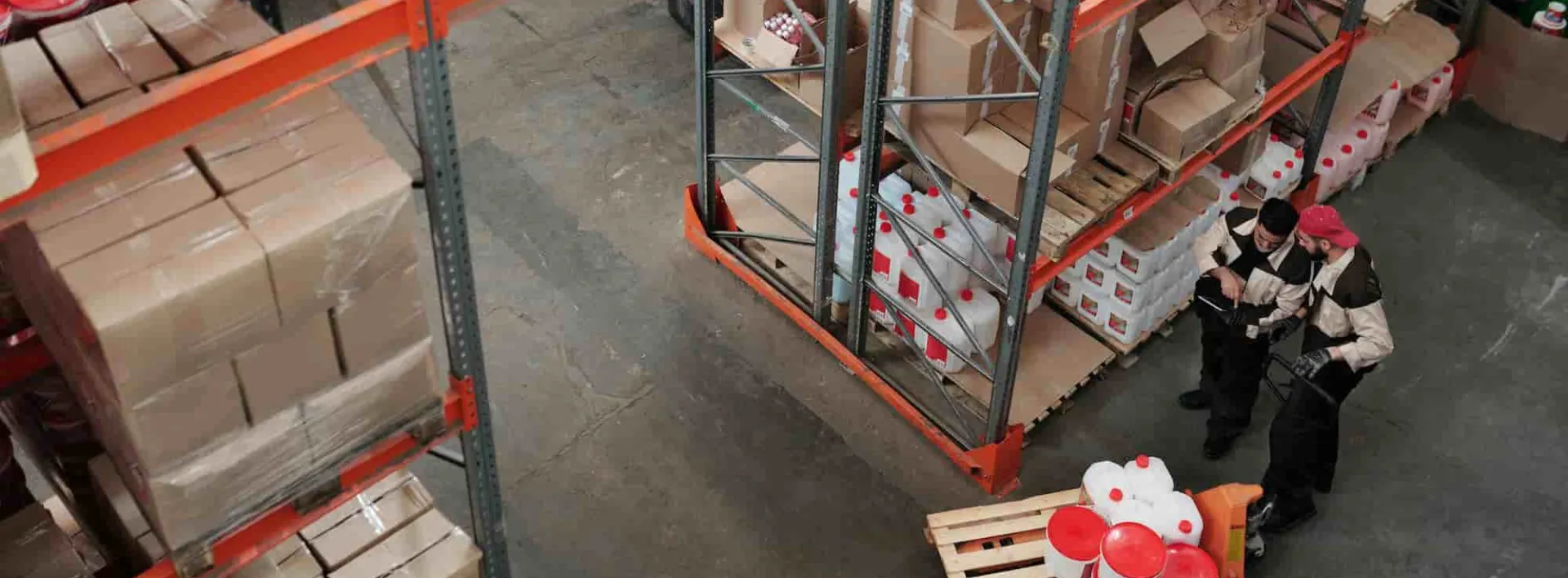
- Storage: Ensuring products are properly stored and organized.
- Distribution: The final process of shipping and delivering products to consumers.
Each stage is essential for efficient operations. That is why companies must invest in improving each of these areas, which can be achieved through advanced management tools such as Lean Supply Chain, designed to optimize every step of the process.
Responsibilities and skills of a Supply Chain Manager
The Supply Chain Manager is the professional responsible for overseeing and managing all activities within the supply chain. This role plays a crucial part in the success of logistics operations and overall business efficiency. Key responsibilities include:
- Overseeing procurement, manufacturing, storage, and distribution operations.
- Negotiating with suppliers and managing business relationships.
- Implementing strategies to optimize processes and reduce costs.
- Coordinating with other departments to ensure process alignment.
The key skills required for a Supply Chain Manager include:
- Knowledge of technological tools and supply chain management software.
- Strong negotiation and conflict resolution abilities.
- Analytical skills to make data-driven decisions.
- Leadership skills to manage teams and coordinate across departments.
This role is in high demand, especially in large transport, logistics, and distribution companies. Organizations are looking for specialized professionals who can optimize operations and ensure smooth supply chain performance.
What do you need to become a Supply Chain Manager?
The supply chain manager, often referred to as SCM, is a highly sought-after profile in transport, logistics, and distribution companies. As mentioned, these professionals benefit from competitive salaries that mainly depend on experience. If you are wondering how to find a job as a supply chain manager, here are some key points:
- They typically hold degrees related to economics, business administration, or management.
- Specialization is essential, often through postgraduate programs designed for those aiming to become a supply chain manager.
The average salary of a Supply Chain Manager varies depending on experience and location. However, this role is generally well paid due to high demand and the complexity of responsibilities. Salaries typically range between 30,000 € and 90,000 € per year.
What are the differences between supply chain and logistics?
Although often used interchangeably, supply chain and logistics are not exactly the same. Logistics is a part of the supply chain, but it focuses mainly on the movement and storage of goods. In contrast, the supply chain encompasses all activities involved, from sourcing raw materials to final delivery to the customer.
Logistics, therefore, is just one component within a broader supply chain. The supply chain also includes supplier relationship management, manufacturing, storage, and distribution, among other aspects.
For a deeper understanding of related concepts, it is useful to explore topics such as distribution channels, which are key to efficient product delivery.
Related programs

Master’s Degree in Supply Chain Management
Project Management & Supply ChainEAE Barcelona’s Master Degree in Supply Chain Management & Logistics will enable you to manage the whole supply chain, end-to-end, from suppliers to clients, including all the design, planning, execution and management processes involved.
Successfully take on responsibility roles in any company in areas like purchasing, planning, production, logistics and distribution.
Thanks to our theoretical-practical approach, you will develop a strategic vision of the supply chain that’s applicable to multinational companies of different sectors, as well as to your own business initiatives. Make the most of your innovative vision, critical thinking and leadership skills!
- 60 ECTS
- Intake 2026
