




Executive Creative Director: Responsibilities, Salary, and Education – From Creative Professional to Creative Leader
An Executive Creative Director (ECD) holds one of the most senior positions within the creative department of an advertising agency. In Spain, advertising companies operate under a national collective bargaining agreement that establishes, among other provisions, professional classifications and minimum salary requirements for the industry.
Progressing into this role involves gradually shifting from hands-on creative work to the strategic management of brands, teams, and projects. For this reason, the knowledge and skills gained through programmes such as the Master in Marketing Management can complement the professional experience of those looking to take on leadership roles in marketing and communications.
What Is an Executive Creative Director and What Do They Do at an Agency?
An Executive Creative Director (ECD) is responsible for leading the creative vision of an agency, department, or business unit. Their role is to ensure that campaigns maintain a high standard of conceptual quality while aligning with the strategy developed for each client.
One of the key differences between an ECD and other creative professionals is their broader understanding of the business. Copywriters, art directors, and senior creatives primarily focus on developing concepts, creative assets, and campaigns. At the executive level, additional responsibilities come into play, including team management, resource allocation, budgeting, new business development, and relationships with marketing leaders.
The main responsibilities of an Executive Creative Director include:
- Defining the creative vision: establishing conceptual, storytelling, and visual guidelines that provide direction for creative teams.
- Overseeing campaigns and projects: reviewing key creative proposals before they are presented to clients and ensuring they align with brand strategy.
- Leading creative teams: managing creative directors, copywriters, art directors, and other specialists.
- Supporting new business development: participating in pitches and presentations aimed at winning new clients.
- Managing client relationships: presenting and defending creative proposals to brand managers, marketing leaders, and senior executives.
- Managing resources: contributing to decisions on budgets, team allocation, and project profitability.
This combination of creativity and management explains why an ECD often works closely with professionals such as the Chief Marketing Officer (CMO). Both roles require the ability to align communication decisions with the organisation's overall strategy, although their responsibilities within the business differ.
The main difference between a Creative Director and an Executive Creative Director is the scope of their responsibilities. While a Creative Director typically oversees the creative direction of specific accounts or teams, an ECD operates at a broader level. They may supervise several Creative Directors, establish standards across the entire department, and contribute to decisions involving clients, talent, and business development.
An Executive Creative Director may still be directly involved in developing creative concepts, particularly for major projects, presentations, or pitches. However, as their responsibilities grow, their contribution increasingly focuses on guiding, evaluating, and refining creative work rather than personally executing every deliverable.
The Career Path: From Junior Creative to Executive Creative Director
Becoming an Executive Creative Director is typically the result of gradual career progression. There is no fixed number of years required to reach each position, as career development depends on the type of agency, individual performance, specialisation, and the responsibilities taken on.
A typical career path might look like this:
| Career Stage | Typical Experience | Main Focus |
| Junior Creative | 0–2 years | Execution, technical skill development, and campaign support |
| Senior Creative | 3–5 years | Independent concept development and campaign creation |
| Creative Supervisor / Group Creative Director | 5–8 years | Team supervision and quality control |
| Creative Director | 8–12 years | Leading accounts, campaigns, and creative teams |
| Executive Creative Director | Over 12 years | Department leadership, client relationships, and business management |
During the early stages, career progression largely depends on the ability to develop strong ideas and execute them effectively. Copywriters need to refine their conceptual thinking and writing skills, while art directors must develop their visual judgement, art direction expertise, and understanding of different formats and channels.
Moving into a Creative Director role brings an even broader set of responsibilities. These include presenting ideas to clients, coordinating multiple campaigns, and developing a deeper understanding of brand strategy. Building a strong and consistent personal brand can also help professionals showcase their experience, projects, and areas of expertise as their careers progress.
At the highest level, the transition is primarily towards executive leadership. An ECD must combine creative expertise with leadership skills and business acumen. This involves making decisions about people and resources, presenting and defending proposals to business leaders, and understanding the financial implications of projects.
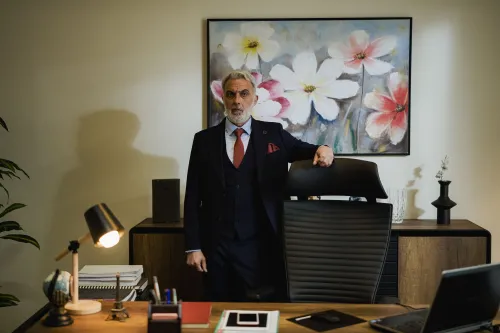
What Does a Creative Director Do Day to Day on a Client Account?
Understanding what a Creative Director does involves looking at the entire campaign process, from receiving the brief to analysing the results. Although specific responsibilities vary depending on the size of the agency and the client, several tasks are common to the role.
- The first step is interpreting the brief. The Creative Director works alongside the account management and strategy teams to identify the communication challenge, target audience, objectives, and project constraints.
- Next comes the ideation phase. This may involve leading brainstorming sessions, reviewing proposals, and selecting the ideas that best address the brief. The role is not simply about choosing the most eye-catching concept, but also about assessing its relevance to the brand and its potential to work across different formats.
- During production, the Creative Director oversees elements such as tone of voice, art direction, audiovisual content, and digital adaptations. Depending on the project, they may also be involved in selecting production companies, directors, photographers, and other creative partners.
- Another key stage is presenting the work to the client. Defending a creative idea requires clearly explaining the thinking behind it and demonstrating how it supports the objectives established at the outset. These discussions may involve marketing leaders and professionals such as the Brand Manager.
- Once a campaign is live, performance data can also inform creative decisions and help identify opportunities for improvement. Developing skills in analytics, customer acquisition, and digital behaviour, areas covered in programmes such as the Master in Digital Marketing & Growth Hacking, can help professionals better understand the connection between creativity and business results.
- Securing client approval also requires translating creative decisions into clear business arguments. The Creative Director must explain why a particular concept, narrative, or visual approach addresses the brief and supports the agreed objectives.
When a client rejects a proposal, the team needs to understand the reasons behind the decision and identify what needs to be revised. The Creative Director coordinates this process to refine or redirect the concept while keeping the communication objectives, available resources, and deadlines in mind.
Differences Between an Art Director, Creative Director, and ECD
Art Directors, Creative Directors, and Executive Creative Directors all work within the same professional field, but their levels of responsibility and areas of focus differ.
An Art Director is primarily responsible for visual communication. Their work focuses on composition, photography, typography, design, and other elements that shape the look and feel of a campaign.
A Creative Director takes a broader approach, overseeing the overall creative concept. They supervise both visual and verbal elements, lead creative teams, and ensure that all campaign assets communicate a consistent idea.
An Executive Creative Director operates at a higher level of decision-making. In addition to setting creative standards, they may be involved in organisational planning, talent development, new business opportunities, client relationships, and resource management.
| Area | Art Director | Creative Director | Executive Creative Director |
| Focus | Visual communication | Creative concepts and campaigns | Creative leadership and business strategy |
| Responsibilities | Creative assets and visual execution | Client accounts and creative teams | Creative department or business unit |
| Teams | Designers and creative collaborators | Creative professionals and creative teams | Creative Directors and team leaders |
| Client interaction | Occasional involvement | Regular client presentations | Executive-level client relationships |
| Core competency | Art direction | Creative strategy | Leadership and business acumen |
The main difference, therefore, lies in the scope of the decisions each professional is responsible for making. As responsibilities increase, management, negotiation, and business expertise become increasingly important.
How Much Does a Creative Director Earn in Spain at Each Career Stage?
A Creative Director's salary depends on several factors, including experience, location, company size, client portfolio, level of responsibility, specialisation, and performance-related compensation.
The market salary ranges reported by sources such as Glassdoor, Indeed, and other reference materials used for this article provide the following indicative salary ranges across different career stages:
| Role | Typical Experience | Estimated Gross Annual Salary |
| Junior Creative | 0–2 years | €20,000–€25,000 |
| Senior Creative | 3–5 years | €28,500–€35,000 |
| Creative Supervisor / Art Director | 5–8 years | €34,000–€45,000 |
| Creative Director | 8–12 years | €42,000–€72,500 |
| Executive Creative Director | Over 12 years | €70,000–€105,000 or more |
These figures should be understood as indicative salary ranges rather than a fixed salary progression. Two professionals holding the same position may earn different salaries depending on their responsibilities, employer, and the market in which they work.
Changes to the salary tables established under the industry's collective bargaining agreement also highlight the importance of checking the period to which salary data relates. In 2025, a 4% increase was applied to the previous salary scales.
What to Study to Become an Executive Creative Director
When considering what to study to become a Creative Director, it is important to distinguish between the education needed to enter the creative industry and the additional training that can help professionals move into leadership roles later in their careers.
There are several educational pathways into a creative career. University degrees in Advertising and Public Relations, Design, Audiovisual Communication, or Marketing can provide a foundation in communication, strategy, visual culture, and consumer behaviour.
However, academic qualifications alone do not determine whether someone can progress into a creative leadership position. Professional experience and a strong portfolio play a significant role in career development, particularly during the early stages.
As responsibilities increase, a different set of skills becomes essential. Team management, budgeting, negotiation, business strategy, marketing, and performance analysis all become part of the role. For this reason, experienced creative professionals may choose to strengthen their expertise through postgraduate education.
- A Master in Marketing Management, for example, covers areas related to marketing strategy and management that can support the business responsibilities associated with moving into leadership positions.
- There are also other areas of specialisation worth considering. Strategic communication and brand management provide valuable insight into how organisations build their positioning, identity, and reputation. A programme such as the Master in Corporate Communication & Brand Management offers the opportunity to explore these areas in greater depth, alongside the challenges of adapting corporate communication to the digital environment. Meanwhile, methodologies such as Design Thinking provide structured tools for solving problems by focusing on user needs.
- For professionals with extensive industry experience, an executive programme such as an Executive MBA can help broaden their knowledge of finance, leadership, strategy, and business management. These skills become increasingly important as creative roles begin to involve decisions related to budgets, profitability, and organisational management.
Ultimately, becoming an Executive Creative Director involves a gradual transformation of a professional's role. Creative ideas remain essential, but the value of the position also lies in ensuring that teams, creative strategy, and business objectives are all working towards the same goals. Combining professional experience, creative judgement, leadership skills, and business education can help professionals make the transition from developing campaigns to leading an entire creative department.
Related programs

Master in Marketing Management
Marketing, Communication & SalesEAE Barcelona’s Master’s in Marketing Management will allow you to apply technical knowledge...
- Part Time
- October 2026

Master in Corporate Communication & Brand Management
Marketing, Communication & SalesTransform brands through communication and a cross-functional management culture
- October 2026
