



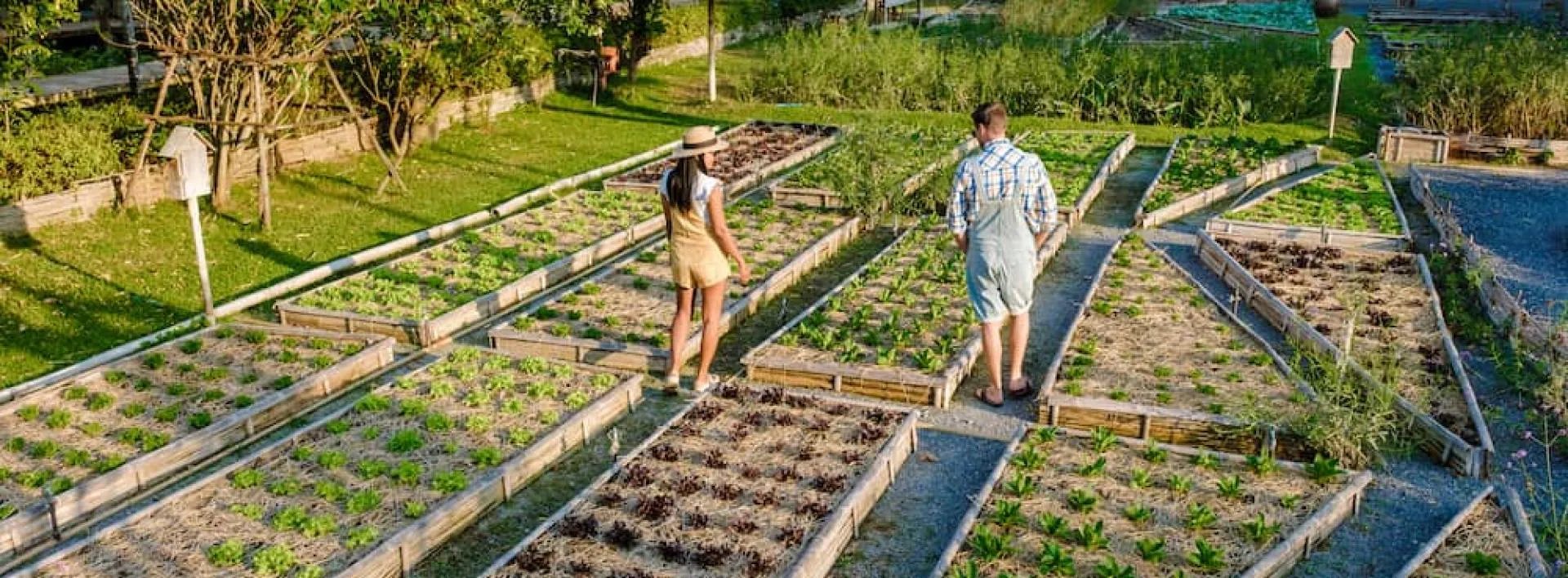
Agrotourism as an alternative to traditional tourism
Experiencing rural environments through their economic activity and immersing yourself in these different ways of life as an immersive experience. Agritourism is here to stay, responding to the need of a large part of the population that seeks to escape the bustle of big cities and immerse themselves in the calm of rural destinations.
Staying in a farmhouse where pig farming is practiced; lodging in a rural house in an area at risk of depopulation to discover hiking trails or enjoy horseback riding routes; spending the night on a goat and sheep farm to learn how to make cheese with master artisans… These are some of the proposals that could be included in the concept of agritourism, a way of traveling that aims to bring people closer to the very essence of life.
It is not suitable for all types of audiences, but more and more people are embracing this very different way of spending holidays and disconnecting. The World Tourism Organization (UNWTO) defines agritourism as “a modality carried out in agricultural farms, where actors supplement their income with some form of tourism in which they generally provide accommodation, food, and the opportunity to become familiar with agricultural work.” More details below.
What is agritourism?
First, we must define agritourism: it is a form of tourism developed in rural environments, allowing visitors to experience farm life up close. Unlike traditional tourism, which usually focuses on leisure and culture in urban or beach settings, agritourism offers a deeper connection with nature and agricultural activities. This tourism modality allows travelers to stay on farms or estates, participate in agricultural tasks, and learn about sustainable food production.
Agritourism benefits not only tourists but also rural communities, since it:
- Encourages the arrival of visitors.
- Provides additional income for farmers and local producers.
- Contributes to economic development in areas that might otherwise face financial difficulties.
- Promotes environmental conservation and agricultural traditions, encouraging responsible use of natural resources and strengthening the cultural identity of each region.
Agritourism activities
This type of subsegment within the tourism industry is expressed through a series of activities and initiatives that are highly attractive to the public. It includes a wide range of experiences that allow visitors to immerse themselves in rural life, such as:
- Fruit and vegetable harvesting: tourists can participate in harvesting fresh products such as grapes, apples, olives, or strawberries, depending on the season and region.
- Artisanal product making: on many farms, visitors can learn to make cheese, wine, honey, homemade bread, and other local products.
- Animal care: interaction with farm animals such as cows, horses, sheep, and chickens is one of the most popular activities, especially for families with children.
- Hiking and horseback riding: many farms offer hiking routes or horseback rides to enjoy the rural landscape.
- Educational workshops: activities are organized to teach the basics of sustainable agriculture, permaculture, environmental conservation, and traditional farming techniques.
- Local gastronomy: tourists can taste authentic dishes prepared with fresh ingredients from the farm itself.
These agritourism activities, in addition to being entertaining, educate visitors about the importance of sustainable agricultural production and respect for nature. It is also a type of tourism that tends to generate strong loyalty among travelers. Once users experience these immersive experiences, they often seek similar ones in the future.
Agritourism: ideal destination examples
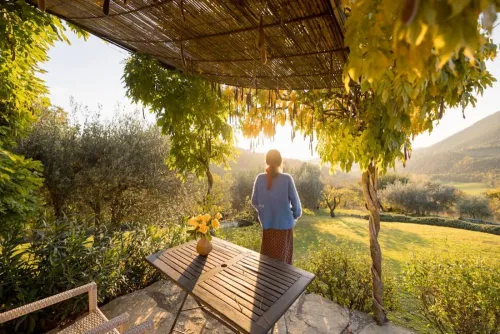
Agritourism exists in many countries, each with its own characteristics and attractions. Spain is a perfect example due to its strong agricultural and livestock activity, as well as its wide range of outdoor leisure activities, both by the sea and in the mountains. Other destinations have also successfully adopted agritourism, with great reception from tourists.
Tuscany, Italy
This region is famous for its vineyards and olive groves. Many tourists visit local farms to learn about wine and olive oil production, as well as enjoy its exquisite gastronomy.
Provence, France
Known for its lavender fields and vineyards, Provence offers a unique rural experience, combining idyllic landscapes with French agricultural tradition.
Napa Valley, United States
This destination is a global benchmark in wine production, and its vineyards offer guided tours, tastings, and the opportunity to participate in the grape harvest.
La Pampa, Argentina
Ideal for those seeking the experience of life on a cattle ranch, participating in farm work and enjoying traditional barbecues.
Chiang Mai, Thailand
In this mountainous region, tourists can learn about local community farming practices, including rice and coffee production.
These destinations represent only a small sample of the vast world of agritourism. With its focus on sustainability, authenticity, and connection with nature, this form of tourism is emerging as an excellent alternative to traditional tourism, offering unique and enriching experiences for both travelers and rural communities.
It is worth highlighting that behind this adaptation of tourism to rural areas are professionals who have managed to adapt spaces and facilities to receive visitors, turning it into a complementary economic activity or even their main source of income. The sector is growing so rapidly that it increasingly demands qualified profiles in the field of agritourism committed to a more sustainable and environmentally friendly tourism industry. :contentReference[oaicite:0]{index=0} offers the Master in Sustainable Planning and Management of Tourism, which provides knowledge and tools for companies to have professionals capable of meeting the demands of this fast-growing subsegment.
