




How to apply neuro-sales in your marketing strategy
Today’s consumers no longer make purchasing decisions based solely on price. A large part of their choices happens at an unconscious level, influenced by emotions, memories, perceptions, and external stimuli. This is where neuro-sales come into play, an approach that combines psychology, neuroscience, and marketing to understand how the brain works in the buying process and, from there, design more effective and persuasive messages.
What neuro-sales is and how it works
But let’s be more specific: what are neuro-sales? They can be defined as the set of strategies and techniques that use neuroscience knowledge to understand how emotional, sensory, and cognitive stimuli influence purchasing decisions. The goal is to leverage how the brain processes information to better connect with consumers.
A study conducted by researchers from the University of A Coruña, the University of Vigo, and the Catholic University of Ecuador highlighted how unfamiliar companies and brands still are with the concept of neuromarketing and how little they use its techniques to improve campaign performance. This shows that, despite its potential, many organizations still do not fully explore the possibilities offered by neuro-sales and neuromarketing as a competitive tool.
In practice, neuro-sales works by identifying which emotions dominate the customer and at which point in the decision-making process they appear. Understanding this hierarchy allows marketers to design more influential and effective messages.
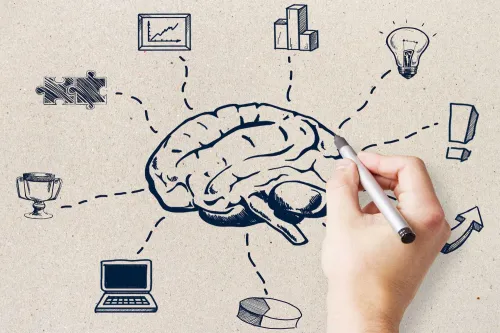
Key neuromarketing techniques that boost sales
To apply neuromarketing techniques in a neuro-sales strategy, it is important to understand how the brain reacts to certain stimuli.
- Use of the senses: smells, sounds, and images directly impact emotional memory. A pleasant scent in a store can increase time spent there and the likelihood of purchase.
- Storytelling: telling stories builds empathy, activates brain areas associated with emotion, and improves brand recall.
- Colors and visual design: colors influence perception. For example, red conveys urgency and energy, while blue communicates trust and security.
- Scarcity and exclusivity: messages such as “last units available” or “limited edition” trigger urgency and fear of missing out.
- Social proof: showing testimonials, reviews, or the number of customers who have purchased a product builds trust in potential buyers.
Training in these techniques is essential to apply them rigorously and ethically. Specialized programs such as the Master’s in Consumer Behavior and Marketing Insights help understand how mental processes influence consumer decision-making and how to apply them professionally in marketing.
Examples of neuro-sales in real marketing
Learning examples of neuro-sales is the best way to see how this approach is already being used by companies worldwide.
- Apple: its product presentations are a clear example of storytelling, generating anticipation and appealing to emotion rather than technical logic.
- Starbucks: it sells not just coffee, but an experience. The use of music, aromas, and spatial design creates a multisensory connection.
- Nike: uses inspirational campaigns that appeal to self-improvement and motivation, beyond product functionality.
- Amazon: applies urgency and scarcity techniques with messages like “only a few left in stock” or “buy before midnight.”
- Coca-Cola: its ads highlight happiness, unity, and shared emotions, connecting with the consumer’s limbic system.
Another interesting example is the phenomenon of relative comparison. Neuroscientists have discovered that the human mind rarely evaluates a product in isolation; instead, it needs to compare it with other options. For example, if a restaurant offers two menus—one very complete but more expensive and another basic one including a drink—many customers are likely to choose the second without fully analyzing which one actually provides more long-term value.
This tendency to make quick decisions based on immediate comparisons is a key principle of neuro-sales that can be applied in pricing strategies and product design.
In an increasingly competitive market, understanding how consumer emotions, perception, and cognitive processes work is essential to developing truly effective communication strategies. Specializing in this field opens up new professional opportunities and allows marketing to be applied more consciously and strategically. To master these tools, a program such as the Master’s in Corporate Communication is an excellent option to acquire the knowledge and skills demanded by today’s companies.
Related Programs

Master in Psychology and Consumer Behavior
Marketing, Communication & SalesGet inside the consumer mind with data-inspired strategies to master the science that determines business success...
- Full Time
- October 2026
